
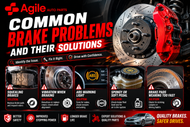
Your vehicle's braking system is one of its most important safety features. Whether you're driving through city traffic, towing a trailer, or traveling on the highway, reliable brakes are essential for maintaining control and protecting everyone on the road.
Like any mechanical system, brakes experience wear over time. Components such as brake pads, rotors, calipers, and hydraulic systems can develop problems that affect performance and safety. Recognizing these issues early can help prevent costly repairs and reduce the risk of accidents.
In this guide, we'll explore some of the most common brake problems drivers face and explain the solutions that can help restore proper braking performance.
Squealing or Screeching Brakes
One of the most common complaints among vehicle owners is a high-pitched squealing noise when braking.
In many cases, this sound occurs because brake pads have built-in wear indicators designed to alert drivers when replacement is needed. However, squealing can also result from moisture, dust accumulation, or glazed brake surfaces.
If the noise continues regularly, inspecting the brake pads should be the first step. Replacing worn pads early can prevent damage to other brake components and help maintain safe stopping performance.
Grinding Sounds During Braking
Grinding noises are typically more serious than squealing.
This sound often indicates that the brake pad material has worn away completely, allowing the metal backing plate to contact the rotor. When this occurs, braking performance can decrease significantly while causing expensive rotor damage.
The solution is usually immediate brake pad replacement and a thorough inspection of the rotors. In severe cases, rotor replacement may also be necessary.
Ignoring grinding brakes can quickly turn a minor repair into a much larger expense.
Vibrations When Braking
If the steering wheel or brake pedal vibrates when slowing down, the braking system may be experiencing uneven contact between the pads and rotors.
Warped rotors are among the most common causes of brake vibration. Excessive heat generated during repeated hard braking can create uneven rotor surfaces, leading to pulsation during braking.
Replacing damaged rotors and installing quality brake pads typically resolves the issue and restores smooth braking performance.
Soft or Spongy Brake Pedal
A brake pedal should feel firm and responsive. If it feels soft or sinks further than normal when pressed, there may be a problem within the hydraulic braking system.
Air trapped inside brake lines, contaminated brake fluid, or fluid leaks can all contribute to a spongy pedal feel.
The solution often involves inspecting the brake fluid, bleeding the brake system, and addressing any leaks or damaged components. Prompt attention is important because hydraulic issues directly affect stopping ability.
Vehicle Pulling to One Side
When a vehicle pulls left or right while braking, it usually indicates uneven braking force.
This issue can be caused by a sticking brake caliper, uneven brake pad wear, or brake fluid delivery problems. In some cases, suspension or alignment issues may also contribute to the problem.
A professional inspection can identify the source of the imbalance. Replacing faulty components and restoring proper brake operation helps improve safety and vehicle control.
Brake Warning Light on the Dashboard
Modern vehicles are equipped with warning systems that monitor braking performance.
When a brake warning light appears, it may indicate low brake fluid, worn brake pads, sensor issues, or other braking system problems. While some causes are minor, others may require immediate attention.
Drivers should never ignore brake-related warning lights. Diagnosing the issue early helps prevent larger problems and ensures the braking system remains dependable.
Excessive Brake Dust
Brake dust is a normal byproduct of braking, but excessive dust accumulation may indicate a problem.
Certain brake pad materials naturally produce more dust than others. Excessive buildup can affect wheel appearance and, in some cases, signal accelerated brake wear.
Switching to premium brake pads, particularly ceramic options, can help reduce dust while maintaining excellent braking performance.
Brake Fade During Heavy Use
Brake fade occurs when the braking system becomes overheated and loses effectiveness.
This issue is more common among drivers who frequently tow heavy loads, drive through mountainous areas, or engage in aggressive driving.
Upgrading to performance brake pads, premium rotors, and high-quality brake fluid can help improve heat management and maintain consistent braking performance under demanding conditions.
Burning Smell Near the Wheels
A burning odor coming from the wheels or brakes is often a sign of excessive heat.
Overheated brake components can result from aggressive driving, a stuck caliper, or excessive brake use on steep descents. Continuing to drive under these conditions may damage pads, rotors, and other braking components.
Allowing the brakes to cool and inspecting the system for underlying issues is usually the best course of action.
Uneven Brake Pad Wear
Brake pads should wear relatively evenly over time. If one side wears significantly faster than the other, it often points to a mechanical problem.
Common causes include:
- Sticking brake calipers
- Worn guide pins
- Improper installation
- Hydraulic issues
Correcting the underlying cause is essential before installing new brake pads to prevent the issue from returning.
Preventing Common Brake Problems
Many brake issues can be avoided through routine maintenance and regular inspections.
Monitoring brake pad thickness, replacing brake fluid at recommended intervals, and addressing unusual noises or vibrations early can significantly extend the life of the braking system.
Drivers who tow frequently or operate their vehicles under demanding conditions should consider more frequent brake inspections to ensure optimal performance.
Preventive maintenance not only improves safety but often reduces long-term repair costs.
Keep Your Braking System Reliable with Agile Auto Parts
At Agile Auto Parts, we understand how important dependable braking performance is for vehicle safety and confidence on the road. That's why we offer access to trusted OEM replacement parts and premium aftermarket brake components from leading manufacturers.
Whether you're replacing worn brake pads, upgrading rotors, improving towing performance, or maintaining your daily driver, our extensive inventory helps you find quality brake solutions designed for reliability and long-term performance.
We proudly serve automotive enthusiasts, repair shops, truck owners, and everyday drivers throughout the United States with competitive pricing, responsive customer support, and dependable nationwide shipping.
Final Thoughts
Brake problems often begin with small warning signs such as squealing, vibrations, or reduced responsiveness. Addressing these symptoms early can prevent more serious issues while helping maintain vehicle safety and performance.
Understanding the causes of common brake problems allows drivers to make informed maintenance decisions and protect one of the most important systems on their vehicle.
By investing in quality components and performing regular inspections, you can keep your braking system operating reliably for years to come.