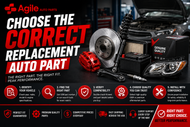
Replacing a worn or damaged automotive component may seem straightforward, but selecting the wrong part can lead to installation problems, poor performance, wasted money, and unnecessary delays.
With thousands of parts available for different makes, models, engines, and trim levels, choosing the correct replacement auto part requires more than simply searching by vehicle brand.
Whether you're maintaining a daily driver, truck, SUV, Jeep, or performance vehicle, understanding how to identify the correct part can save time and help ensure your vehicle continues to operate safely and efficiently.
Why Choosing the Right Part Matters
Modern vehicles are built with highly specific components that vary based on engine size, drivetrain configuration, production year, and factory options.
Two vehicles that appear identical on the outside may actually require completely different parts underneath. Ordering the wrong component can result in installation difficulties, compatibility issues, and reduced vehicle performance.
Selecting the correct replacement part helps maintain reliability, preserve safety, and avoid unnecessary repair expenses.
Start with Your Vehicle Information
Before purchasing any replacement part, gather accurate vehicle information.
The most important details include:
- Vehicle year
- Make
- Model
- Engine size
- Trim level
- Drivetrain configuration
Having this information available significantly reduces the risk of ordering an incompatible component.
Many manufacturers produce multiple versions of the same vehicle, and even small differences can affect part compatibility.
Use the Vehicle Identification Number (VIN)
The VIN is one of the most reliable tools for identifying the correct replacement part.
Every vehicle has a unique VIN that contains detailed manufacturing information. Automotive professionals often use VIN data to verify exact fitment before ordering components.
If you're uncertain about compatibility, providing the VIN can help ensure you receive parts specifically designed for your vehicle.
Using VIN verification is especially important when purchasing engine components, suspension parts, brake systems, electrical components, or drivetrain parts.
Understand OEM and Aftermarket Parts
One of the most common decisions vehicle owners face is choosing between OEM and aftermarket replacement parts.
OEM parts are manufactured to meet the original specifications of the vehicle manufacturer. They are designed to match the factory-installed component in fit, function, and performance.
Aftermarket parts are produced by independent manufacturers and often provide additional options, improved performance, or competitive pricing.
Both options can be excellent choices when purchased from reputable suppliers. The best option depends on your budget, performance goals, and vehicle requirements.
Verify Part Numbers Whenever Possible
Part numbers provide one of the most accurate ways to identify replacement components.
If you're replacing an existing part, checking the manufacturer's part number can help ensure compatibility. Matching part numbers often eliminates guesswork and reduces the chance of ordering the wrong item.
This is particularly useful when replacing sensors, electrical components, engine parts, and specialized hardware.
When available, always compare part numbers before making a purchase.
Consider How You Use Your Vehicle
Not every replacement part is designed for the same driving conditions.
A vehicle that spends most of its time commuting may require different components than a truck used for towing or an SUV regularly driven off-road.
For example, truck owners who tow frequently may benefit from heavy-duty brake components, while performance enthusiasts may prefer upgraded suspension or exhaust systems designed for enhanced performance.
Choosing parts that match your driving habits helps maximize reliability and long-term value.
Pay Attention to Quality
Price is important, but quality should never be overlooked when purchasing replacement auto parts.
Low-quality components may wear out faster, provide inconsistent performance, or create additional repair problems down the road.
Reliable parts from trusted manufacturers typically offer better durability, improved fitment, and greater peace of mind.
Investing in quality parts often saves money over time by reducing the likelihood of premature failures and repeat repairs.
Common Mistakes to Avoid
Many vehicle owners make simple mistakes when purchasing replacement parts.
One common error is assuming that all parts for a particular vehicle model are identical. Differences in engine configurations, trim packages, and production dates can result in different part requirements.
Another mistake is focusing solely on price without considering quality, compatibility, or manufacturer reputation.
Taking a few extra minutes to verify fitment can prevent significant frustration later.
When to Seek Professional Assistance
Certain replacement parts are relatively easy to identify, while others require expert verification.
Brake systems, suspension components, steering parts, drivetrain components, and electrical systems often involve multiple variations depending on vehicle specifications.
If you're uncertain about compatibility, consulting a knowledgeable parts specialist can help prevent costly mistakes and ensure the correct component is selected.
Professional guidance is especially valuable when working with modified vehicles or complex repair projects.
Find the Right Auto Parts at Agile Auto Parts
At Agile Auto Parts, we understand how important proper fitment is when purchasing replacement automotive components. That's why we work with trusted manufacturers and authorized distributors to provide quality OEM replacement parts and premium aftermarket solutions for a wide range of vehicles.
Whether you're searching for brake components, suspension parts, exhaust systems, lighting products, drivetrain components, truck accessories, marine products, or performance upgrades, our goal is to help you find reliable parts that fit correctly and perform as expected.
We proudly serve customers throughout the United States with responsive customer support, competitive pricing, and dependable nationwide shipping.
Final Thoughts
Choosing the correct replacement auto part is one of the most important steps in maintaining your vehicle's performance, safety, and reliability.
By gathering accurate vehicle information, verifying part numbers, understanding fitment requirements, and selecting quality components, you can avoid costly mistakes and ensure successful repairs.
Taking the time to confirm compatibility before purchasing not only saves money but also helps keep your vehicle operating at its best for years to come.
Whether you're performing routine maintenance or tackling a major repair, choosing the right part is always worth the extra effort.