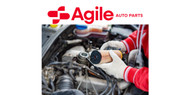
The oil filter removes dirt, metal particles and carbon from your engine oil before it reaches the bearings. A good filter protects the engine, and a poor one can fail early or restrict oil flow. This guide explains how to choose the right one.
What an oil filter does
Oil picks up wear particles and combustion by-products as it circulates. The filter traps them in its media so the oil can keep lubricating cleanly. When the filter fills up, a bypass valve opens so the engine still gets oil, which is why you should never run a filter past its interval.
Spin-on and cartridge filters
- Spin-on: a metal canister you unscrew and replace as a whole. Common and easy.
- Cartridge: a paper element that sits in a reusable housing on the engine. Many newer vehicles use them. You replace the element and the O-rings each time.
What to look at when you choose
- Fitment: the thread size, gasket size and height must match your engine. Use a filter listed for your vehicle.
- Filter media: synthetic media filters trap more and last longer than basic cellulose, which matters with synthetic oil and long change intervals.
- Anti-drainback valve: keeps oil in the filter when the engine is off so the engine gets oil at start-up.
- Bypass valve: a good one opens only when needed.
- Construction: a sturdy canister and a quality gasket reduce the risk of leaks.
How to install an oil filter
- Drain the oil and remove the old filter, making sure the old gasket comes off with it.
- Wipe the mounting surface clean.
- Rub a thin film of clean oil on the new gasket.
- Screw the filter on by hand until the gasket touches, then tighten about three quarters of a turn, or follow the maker's instruction. Do not use a wrench to over-tighten a spin-on filter.
- Refill with oil, run the engine for a minute, and check for leaks and the oil level.
Common questions
Should I change the filter every time I change the oil?
Yes. A new filter keeps fresh oil clean, and a clogged old one defeats the purpose of fresh oil.
Can I use a bigger filter?
Only if it fits and has the same threads and gasket. A larger filter holds more oil and can trap more, but it must clear everything around it.
Does the filter brand matter?
Quality varies between brands. Choose a filter that meets or exceeds the specification for your engine.
Where to buy
See oils, fluids and sealers and tools and shop equipment. Our guide to choosing engine oil covers viscosity and oil types. We are an authorized dealer for every brand we sell, shipping is free anywhere in the USA, and returns are accepted within 60 days (unused, in the original packaging) and return shipping is free. Not sure what fits your vehicle? Contact our support team and we will help you check before you order.